
Relocating to Oronoco MN: A Comprehensive Guide for New Residents
Relocating to Oronoco MN places new residents in a small but steadily growing community along the Zumbro River just north of Rochester. According to U.S. Census QuickFacts, Oronoco’s population has increased into the approximate range of 1,800 to 2,000 residents by the mid-2020s, reflecting consistent growth over the past decade. This guide outlines location, schools, lifestyle, housing, and commuting details, helping future residents understand day-to-day life while maintaining realistic expectations about services and amenities.
What should residents know about Oronoco MN’s location and character?
Oronoco sits along U.S. Highway 52 in northern Olmsted County, about ten miles northwest of downtown Rochester. According to driving directions from Google Maps, the trip from Oronoco to the Mayo Clinic Hospital – Methodist Campus typically takes around fifteen to twenty minutes in normal traffic. The community lies near the Zumbro River’s broad curves, with Lake Shady and Oronoco City Park providing water access and open green space. Residential streets branch off Minnesota Avenue Northwest and Center Street, creating a compact, small-town street grid.
The City of Oronoco functions under a mayor–council government, with Oronoco City Hall positioned close to the intersection of Minnesota Avenue Northwest and First Street. According to the official City of Oronoco website, municipal services include a volunteer fire department, contracted law enforcement through the Olmsted County Sheriff’s Office, and local public works maintaining roads and utilities. The small size keeps municipal processes straightforward, while proximity to Rochester extends access to larger-city resources, medical facilities, and specialized retail without sacrificing rural character.
Outdoor space helps define daily life for residents relocating to Oronoco MN. Oronoco City Park offers ball fields, a playground, and riverside views, while nearby Oxbow Park and Zollman Zoo expands recreational options. According to Olmsted County Parks, Oxbow Park spans over six hundred acres, with more than eight miles of hiking trails and a free-admission zoo featuring native Minnesota wildlife. These amenities allow residents to enjoy hiking, picnicking, and casual wildlife viewing within a short drive from most neighborhoods.
Several regional attractions link Oronoco to the broader Rochester area. Northern Hills Golf Course, located just south along Highway 52, offers eighteen holes of play and practice facilities. The Douglas State Trail trailhead near Rochester provides paved multi-use paths suitable for cycling, jogging, and winter activities. Retail centers along Elton Hills Drive Northwest and at Apache Mall in Rochester supply big-box shopping and dining choices that supplement Oronoco’s smaller local businesses concentrated along Minnesota Avenue Northwest and County Road Twelve.
How do schools and education options in Oronoco MN compare?
Education plays a central role for households relocating to Oronoco MN. Many addresses in and around Oronoco fall within the Rochester Public Schools system. Oronoco itself has an elementary campus historically known as Oronoco Elementary School, which feeds into larger middle and high schools in Rochester. According to GreatSchools, the school earns solid ratings in the mid to upper range compared with statewide averages, reflecting strong teacher engagement and relatively small class sizes.
Older students commonly attend middle and high schools inside Rochester city limits, including John Marshall High School and Century High School. GreatSchools reports that several Rochester high schools hold ratings between six and eight on its ten-point scale, based on test scores and college readiness measures, as of early twenty twenty-six. These ratings indicate academic performance that meets or exceeds Minnesota averages. Families benefit from access to electives, Advanced Placement courses, and extracurricular programs that smaller rural districts might not support.
Private and parochial schools in Rochester broaden the educational landscape for Oronoco residents. Institutions such as Lourdes High School, Schaeffer Academy, and Rochester Central Lutheran School offer faith-based or classical curricula. According to enrollment snapshots compiled by GreatSchools, many of these schools maintain student bodies of fewer than one thousand, which can translate into smaller average class sizes and more individualized attention. Transportation arrangements vary, but many households find carpooling or private transportation manageable given the short regional distances.
Postsecondary options sit nearby as well. Rochester Community and Technical College offers associate degrees and certificate programs, while the University of Minnesota Rochester campus focuses on health sciences. According to program descriptions on the Rochester Community and Technical College website, dozens of technical and transfer programs support students seeking nursing, engineering technology, business, and trades careers. These institutions allow Oronoco residents to pursue higher education without relocating again, supporting long-term career development within commuting distance.
What is daily life like when relocating to Oronoco MN?
Daily life in Oronoco blends quiet residential streets with easy access to regional amenities. Minnesota Avenue Northwest hosts several small businesses, including convenience stores, service providers, and local eateries. The annual Gold Rush Days antique show, held in the broader Oronoco area, attracts vendors and visitors from across Minnesota and Wisconsin, bringing temporary crowds and additional commerce each summer. For most of the year, however, traffic remains moderate, and many residents report short in-town drives of fewer than ten minutes for routine errands.
On warm summer evenings near Oronoco City Park, the scent of grilled burgers from picnic shelters drifts across the grass while children chase each other toward the playground. The soft rush of the Zumbro River under the bridge on Minnesota Avenue Northwest mixes with the distant hum of traffic from Highway 52. Streetlights reflect off the water’s surface, and the occasional call of a red-winged blackbird from lakeside reeds adds an unmistakably rural soundtrack to the small-town setting.
Recreation expands beyond the riverfront. According to Olmsted County Parks, Oxbow Park’s network of trails ranges from short family-friendly walks of under one mile to longer loops of several miles, accommodating casual walkers and more serious hikers. Picnic shelters, playground equipment, and the Zollman Zoo’s enclosures provide year-round attractions. Winter activities such as cross-country skiing and snowshoeing become popular when snow depths reach six inches or more, creating a distinctly seasonal lifestyle pattern for residents.
Regional entertainment and dining options center on Rochester, roughly fifteen to twenty minutes away. Downtown Rochester offers restaurants along Historic Third Street, performances at Mayo Civic Center, and events in Peace Plaza. Apache Mall and adjacent commercial corridors provide chain dining and shopping venues. According to Walk Score, Rochester holds an overall walk score in the low forties, indicating car dependence but improved walkability in central districts. Oronoco residents typically combine trips, scheduling errands and entertainment in Rochester on the same outing.
How affordable is housing for those relocating to Oronoco MN?
Housing affordability holds strong appeal for households relocating to Oronoco MN compared with some metro areas. The local housing stock includes single-family homes on larger lots, newer subdivisions near County Road Twelve, and rural properties on the outskirts of town. According to listings aggregated by Realtor.com, many standard single-family homes in Oronoco list in a range from around $350,000 to approximately $550,000 as of early twenty twenty-six, depending on age, size, and proximity to the river.
Market dynamics remain competitive yet manageable. Based on housing market summaries from Redfin, closed-sale prices in Oronoco over recent years generally align with the broader Rochester area, while days on market often fall within a range of roughly thirty to sixty days. Limited inventory of fewer than thirty active listings at any time can lead to multiple-offer situations on well-maintained properties, especially those with three or more bedrooms, updated kitchens, and finished lower levels.
In newer subdivisions off County Road Twelve, evening walks often pass freshly built homes with clean lines and soft porch lighting. The scent of pine mulch from recently landscaped yards mixes with the faint aroma of woodsmoke from backyard fire pits. Garage doors open and close with a muffled thud as residents chat along the sidewalks, and distant dogs bark across open fields beyond the last row of houses, reminding newcomers that countryside and town meet along these streets.
Property taxes represent an important consideration. According to statewide comparisons by the Minnesota Department of Revenue, Minnesota’s average effective property tax rate typically falls in a broad range around one to one and a half percent of market value, though exact amounts vary by county, city, and school district levies. Olmsted County’s rates often land near the state average. For a home valued at $400,000, annual property taxes in the region can reasonably fall in the approximate range of $4,000 to $6,000, depending on specific assessments.
What should new residents expect from commuting and transportation in Oronoco MN?
Transportation patterns in Oronoco center on U.S. Highway 52, which connects directly south to Rochester and north toward the Twin Cities metro. According to route calculations on Google Maps, the drive from central Oronoco to downtown Rochester covers roughly ten to twelve miles and typically requires fifteen to twenty minutes in light traffic. During weekday rush periods, travel times may extend to twenty-five minutes or more, especially near key interchanges closer to Rochester.
Public transit options remain limited within Oronoco itself. Rochester Public Transit operates several park-and-ride facilities on the north side of Rochester, including sites near Northern Hills Golf Course and along Elton Hills Drive Northwest. According to service descriptions from Rochester Public Transit, bus routes connect these park-and-ride locations to downtown, Mayo Clinic, and major employment centers with weekday frequencies often between fifteen and thirty minutes during peak times. Many Oronoco residents choose to drive to a park-and-ride lot, then use transit for the remaining portion of the commute.
Active transportation also plays a role in regional mobility. The Douglas State Trail, located a short drive southeast of Oronoco, provides a paved, multi-use corridor stretching roughly twelve and a half miles between Rochester and Pine Island. According to trail information from the Minnesota Department of Natural Resources, the trail supports cycling, inline skating, walking, and in some seasons snowmobiling. While most Oronoco residents still rely on vehicles for commuting, the trail offers a scenic alternative for recreation and, for some, seasonal bike commuting toward Rochester.
Winter conditions influence transportation planning. Snowfall in southeastern Minnesota frequently totals between forty and fifty inches per season, based on climatological normals from the National Weather Service. Plow crews from Olmsted County and the City of Oronoco prioritize main corridors such as Highway 52 and Minnesota Avenue Northwest, but residential streets can remain partially snow covered during storms. Residents often allow additional time, sometimes ten to fifteen extra minutes, for winter commutes and rely on all-wheel-drive vehicles or dedicated snow tires for greater safety.
The population range of 1,800 to 2,000 residents cited at the start of this guide reflects a community large enough to sustain essential services while remaining small enough for familiar day-to-day interactions. That same population figure from the opening underscores why local amenities feel intimate yet rely heavily on nearby Rochester for specialized care, entertainment, and advanced education. The Southeast Minnesota Realtors market reports provide one of the clearest ongoing views of listing activity and pricing trends in and around Oronoco. Buyers who register listing alerts through regional MLS-connected portals and commit to touring promising homes within forty-eight hours of new listings hitting the market before the late-spring contract surge often secure more favorable terms. Households that delay engagement until after summer inventories tighten may face fewer options, more competition, and higher final sale prices for comparable properties.
FROM OUR BLOG

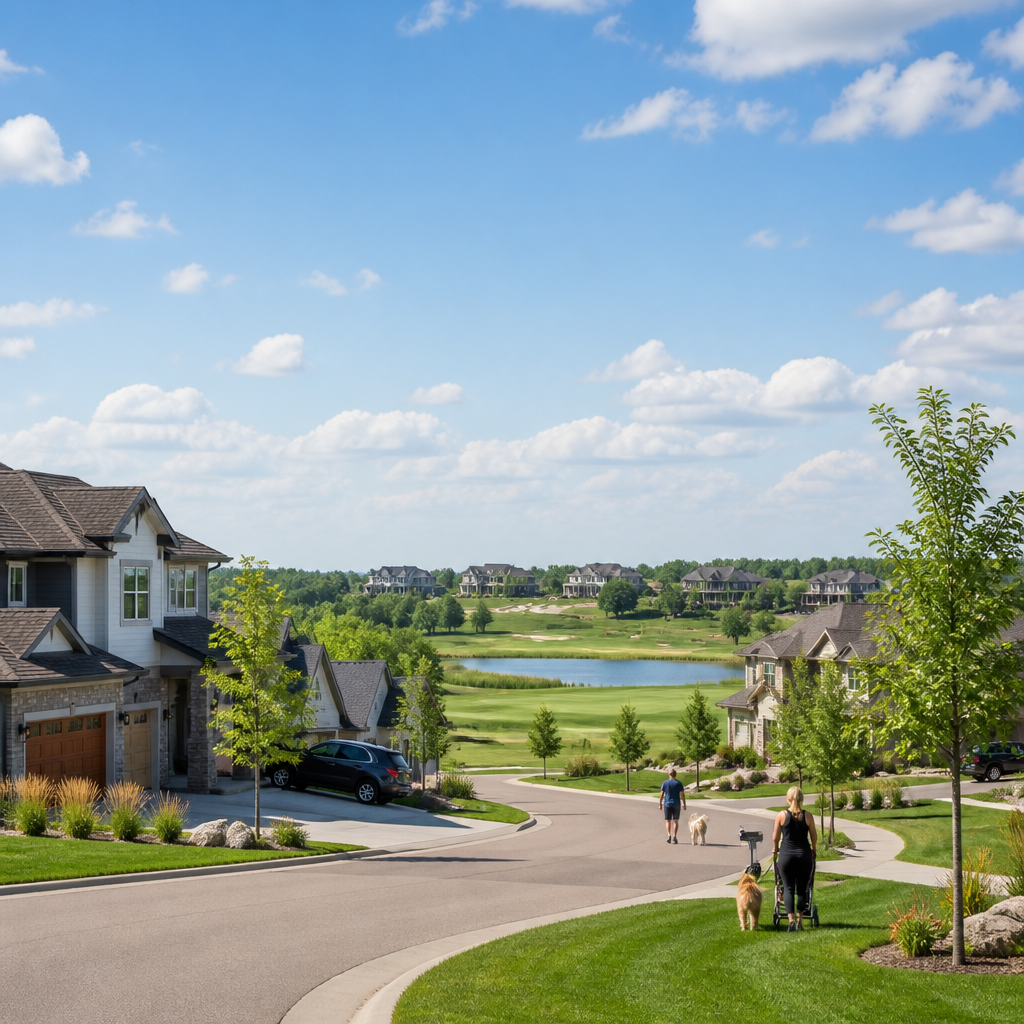
Luxury Living: The Best Luxury Homes in Byron MN for 2026
Luxury Living: The Best Luxury Homes in Byron MN for 2026 Luxury homes in Byron MN combine small-town calm with access to Rochester’s economic engine. According to Redfin, Byron’s overall home prices typically range between $350,000 and $550,000 as of early 2026, with premium properties trading well
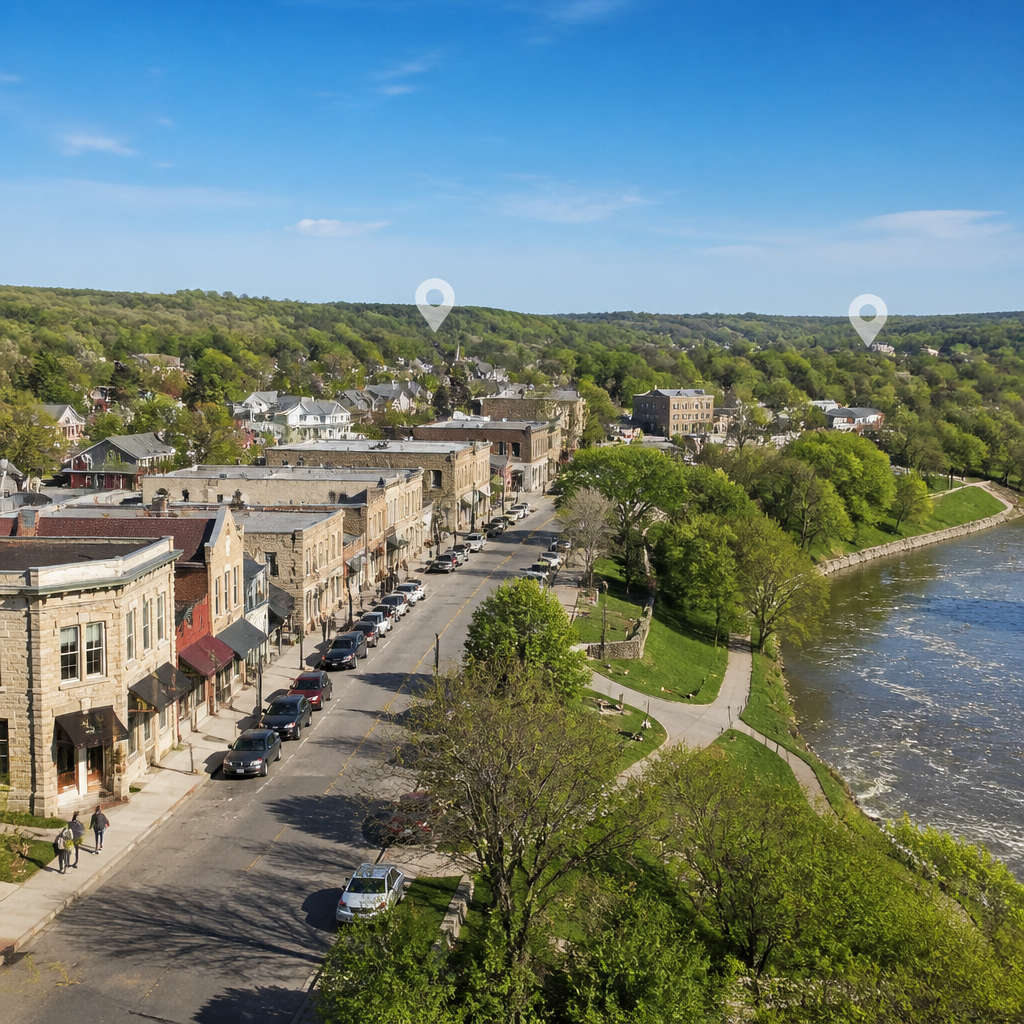
Mantorville MN Neighborhood Guide: What to Expect in 2026
Mantorville MN Neighborhood Guide: What to Expect in 2026 Mantorville’s limestone storefronts and riverfront setting continue to draw interest as 2026 approaches. According to U.S. Census QuickFacts, the city’s population sits between 1,100 and 1,300 residents, preserving a small-town scale while be